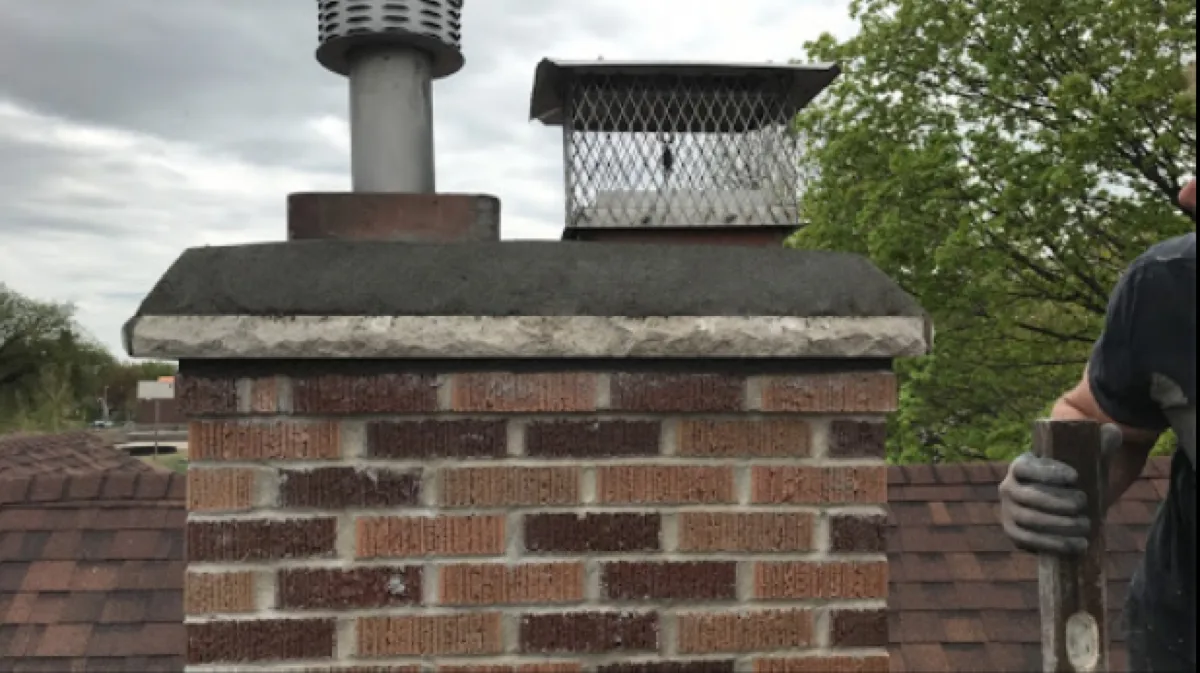
Chimney Rebuilds
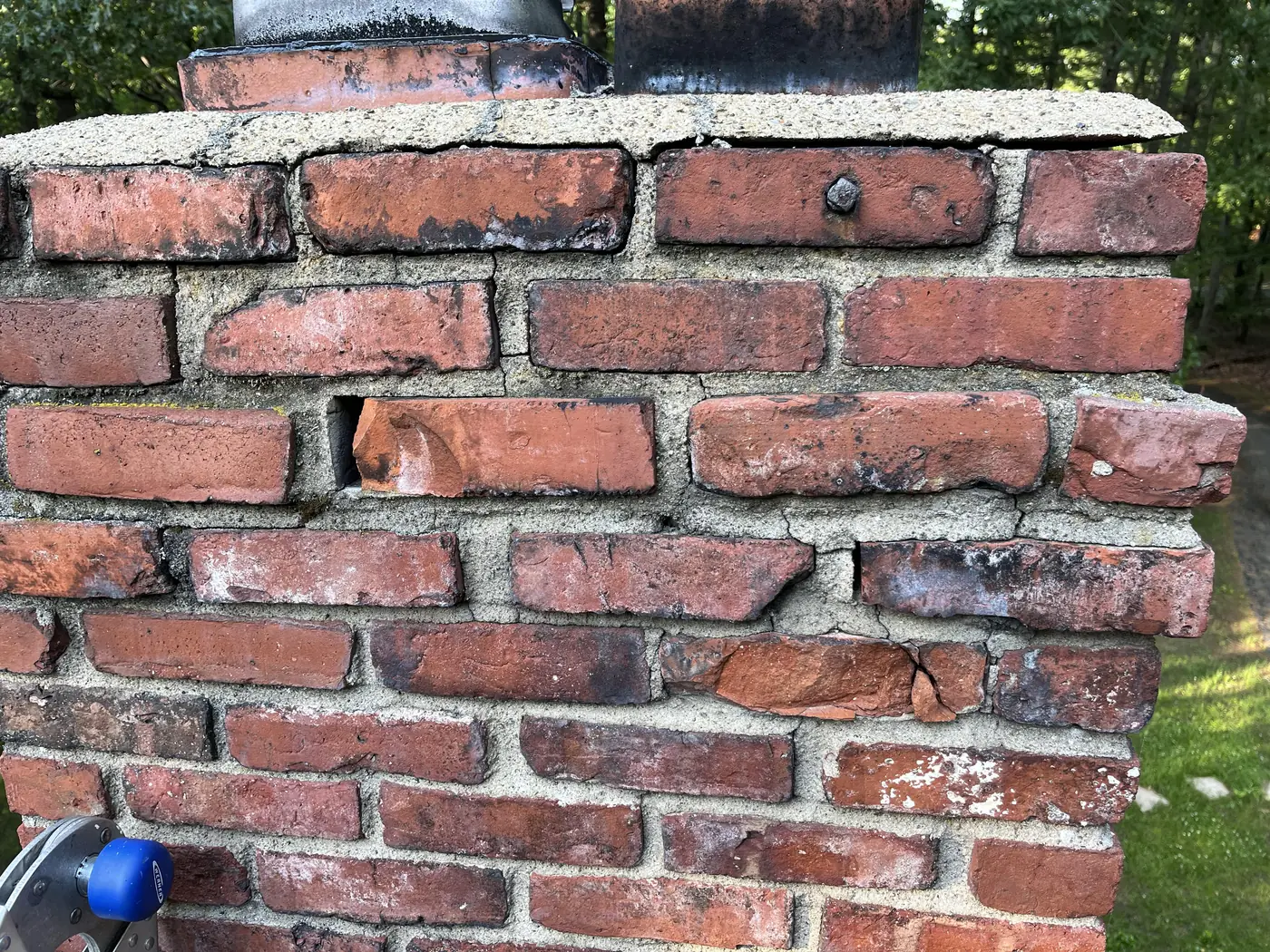
Full and partial chimney rebuilds: deteriorated stacks torn down to sound masonry and rebuilt with new brick, cast crowns and stainless caps.
Learn More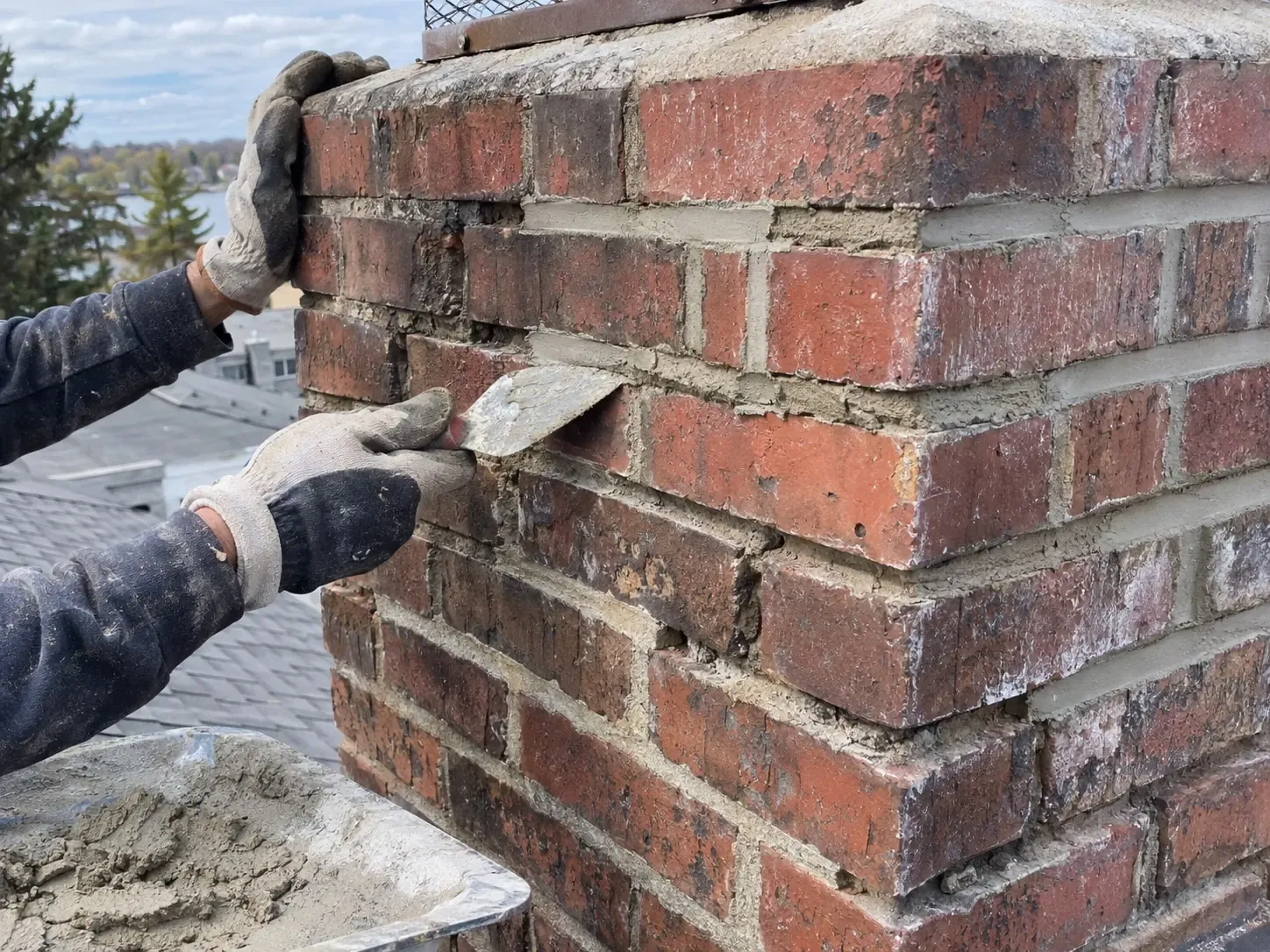
Chimney tuckpointing in Minneapolis replaces the failed mortar joints on a brick chimney. Masons also call it chimney repointing. Our crew rakes the old mortar out to sound depth and packs the joints full again. The new mortar matches the old joints and stays softer than the brick. Each joint gets tooled so water runs off the face. Chimney tuckpointing also covers a few spalled or cracked face bricks, cut out and replaced on the same visit. We find where the water got in before the work starts. Walls and whole buildings are covered under our tuckpointing and repointing service.
Most calls start with something small. Homeowners find mortar grit on the shingles or in the gutters. Others see a water stain on the ceiling beside the chimney. Property managers call about chimneys on apartment buildings, and some callers work from a home inspection report. We get on the roof, photograph each face of the chimney and check how deep the joints have failed. You get a written scope that marks the joints to repoint and the bricks to replace. Loose top courses or a leaning stack call for a tear-down and rebuild instead.
Tell us about your project and we’ll get right back to you.
Repointing starts with raking out the old mortar. The National Park Service gives the depth in Preservation Brief 2. Old mortar comes out to a depth of at least two to two and a half times the joint width. On most brick joints, that means about half an inch to an inch. That depth gives the new mortar a bond and keeps it from popping out. The Park Service warns that power tools in unskilled hands can be disastrous for soft old brick. A power saw in a thin joint usually breaks the brick edges. So the raking on a chimney is slow, careful work.
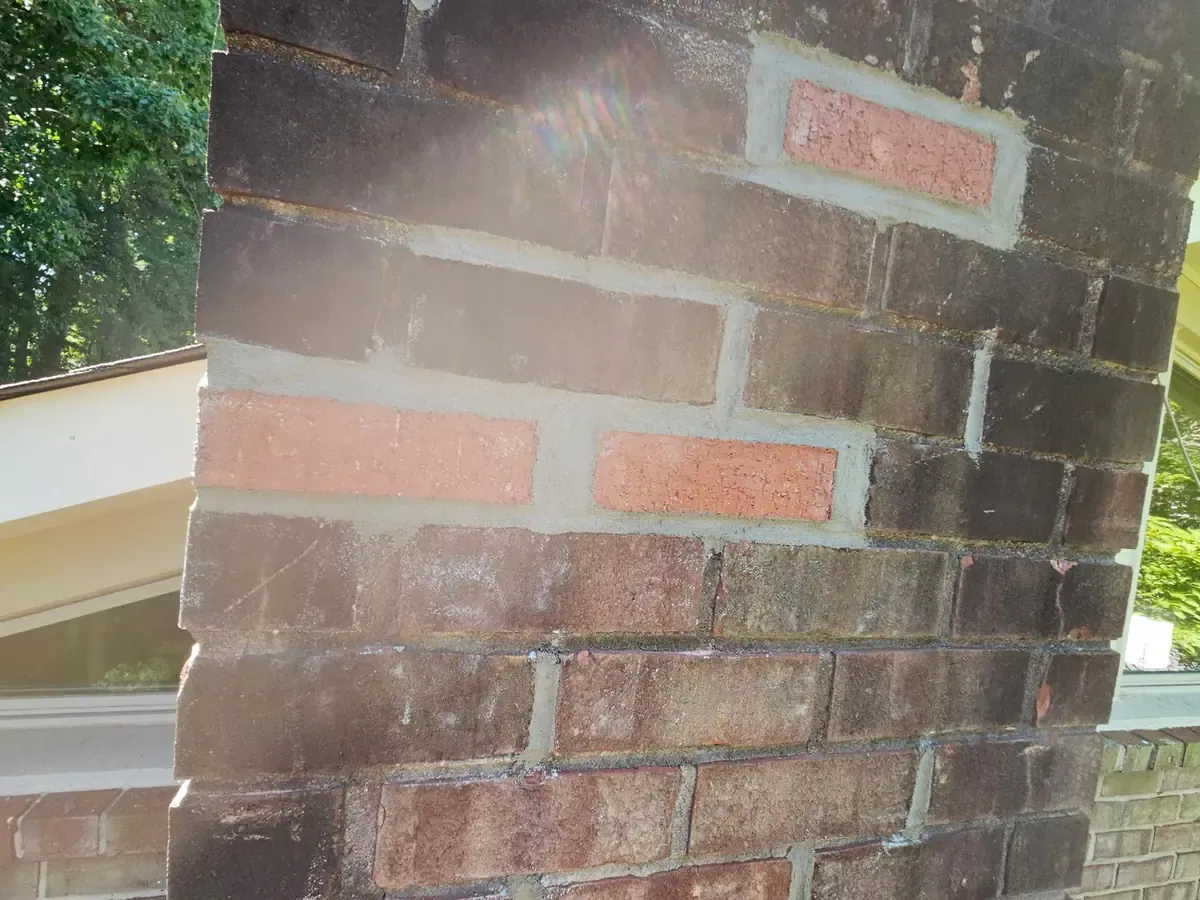
Two rules set the mortar mix. The Brick Industry Association recommends Type N portland cement-lime mortar for chimneys, to handle both weather and heat. The Park Service adds that repointing mortar must be softer than the brick and let water vapor out more easily. On older, softer brick, that second rule decides the mix. We also match the old joints in color and texture. Tooling presses each joint firm so it sheds water. Any chimney brick we replace is matched to the stack, and the joints around it get repointed with the rest.
About 4 in 10 Minneapolis homes were built before 1940. Census Bureau survey data for 2024 counts 87,975 of the city's 216,155 housing units as built in 1939 or earlier. The Park Service says mortar from 1873 to 1930 ranges from pure lime and sand to lime and cement blends. Lime mortar is soft and porous. Mortar harder than the brick will not give, so the brick cracks and spalls instead. That damage cannot be repaired easily, so we match the mix to the brick in front of us. Outside the city, era-correct repointing in Anoka follows the same rule.
A chimney is exposed to the weather by the nature of its job, the Brick Industry Association notes. Minnesota runs 80 to 100 freeze and thaw cycles a year. Water that soaks into an open joint freezes and pushes the mortar out. Chimney mortar repair alone will not stop a leak that starts somewhere else. The Park Service says the cause of the damage gets fixed before any repointing. On a chimney, that cause is often a cracked crown or failed flashing. A cracked crown gets its own fix under chimney crown sealing and recasting.
Fresh mortar needs mild weather to cure. The Park Service gives a range of wall temperatures between 40 and 95 degrees F. In that range, the water in the mortar will not freeze or dry out too fast. Chimney swifts shape the calendar too. The U.S. Fish and Wildlife Service says to repair chimneys only when swifts are not present. They reach the U.S. in March or April and leave in August or September. So work on a chimney that swifts use is planned for spring before they arrive, or after they leave. If swifts are nesting in your flue, the work waits.
St. Paul adds a step for some homes. In a locally designated heritage district, any exterior project needs approval from the city's Heritage Preservation office first. The same rule covers a designated heritage site. Chimney repointing is exterior work, so we plan chimney repair and repointing in St. Paul around that review. A new roof is the other thing to plan around. The Brick Industry Association sets counter flashing three quarters of an inch to an inch into a mortar joint. So repoint the chimney first, and the new flashing goes into sound joints.
Free, no-obligation estimates across Minneapolis and the Twin Cities metro.
(320) 465-1161From the first site visit to the final walk-through, here is how it goes.
We look at the masonry in person: what failed, why, and how far it has spread. On commercial buildings that means getting up on the wall, not a drive-by.
You get a written price and timeline. On larger projects the urgent repairs are separated from the work that can wait, so the budget goes where it is needed first.
Matched materials, full joints, proper crowns, solid bases and drainage. Occupied buildings stay open, the site is protected, and cleanup happens every day.
We walk the finished work with you: joints, brick and mortar matches, cleanup, the whole scope. The job is done when you have seen every part of it and signed off.
Common questions about chimney tuckpointing across Minneapolis and the Twin Cities metro. Don't see yours? Give us a call and we will help.
Full and partial chimney rebuilds: deteriorated stacks torn down to sound masonry and rebuilt with new brick, cast crowns and stainless caps.
Learn More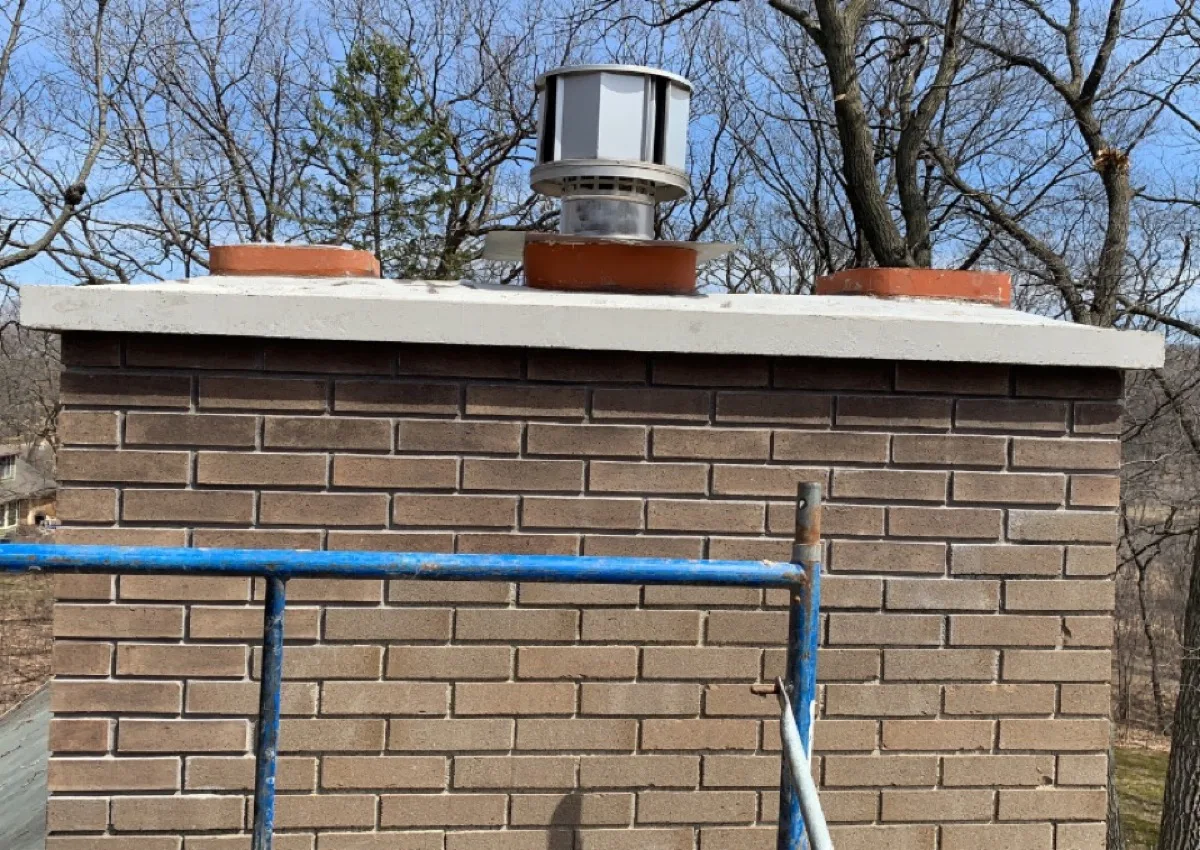
Leak tracing, crown repair, joint repointing, spalled brick replacement and stainless caps, the fixes that stop water before it forces a rebuild.
Learn More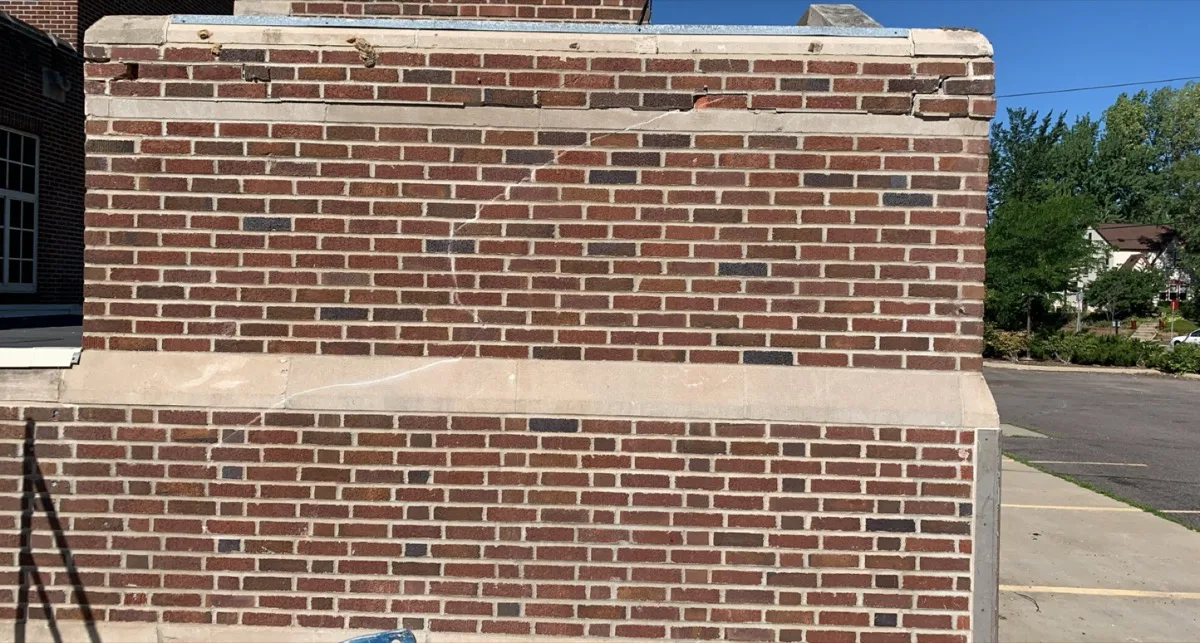
Failed mortar ground out and repointed to match the original on chimneys, houses and full commercial elevations. The fix that saves the wall you already have.
Learn More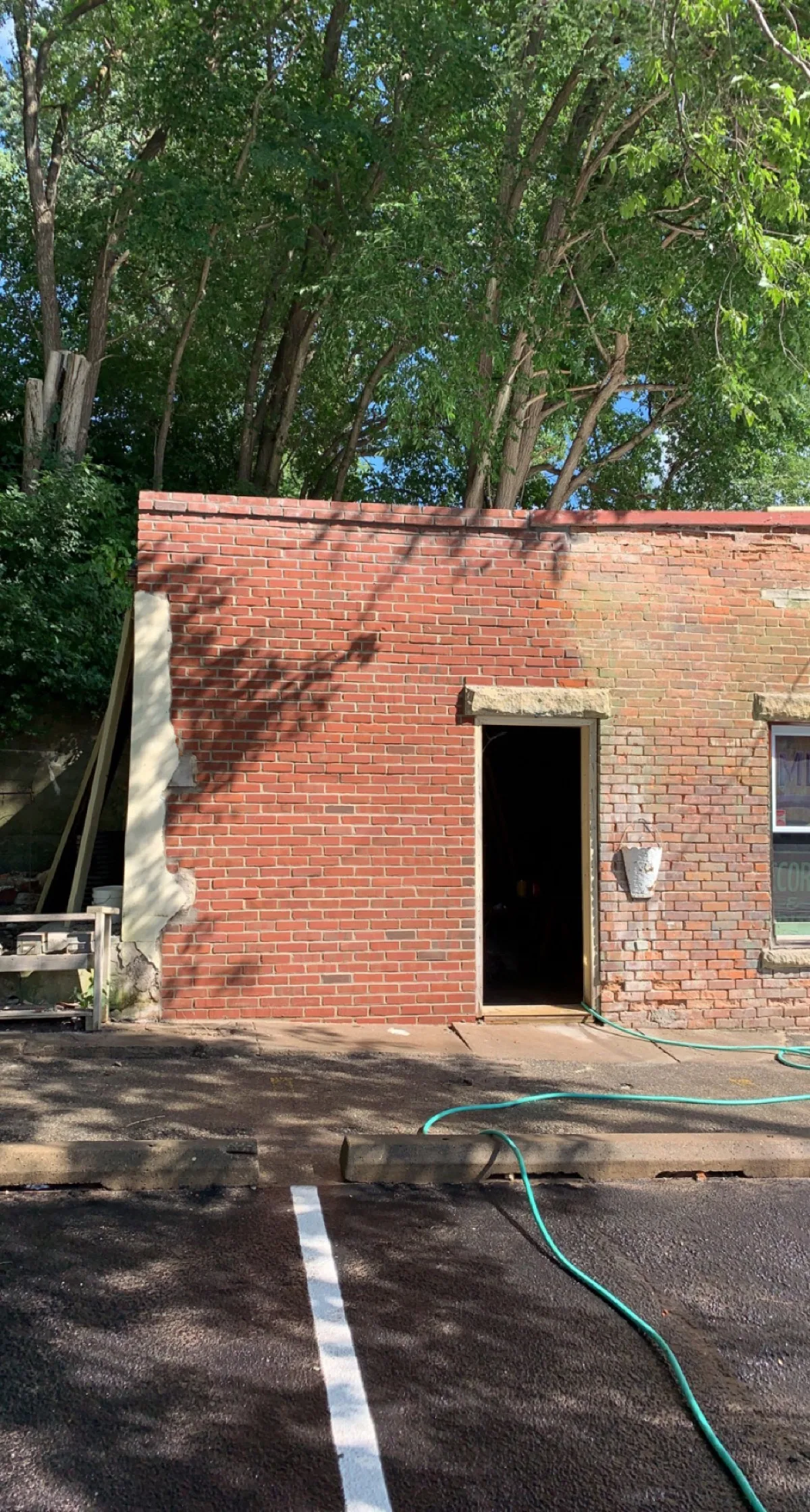
Spalled brick cut out and replaced, cracks stitched, bowed sections rebuilt, porch piers and steps restored, matched so the repair does not read as one.
Learn More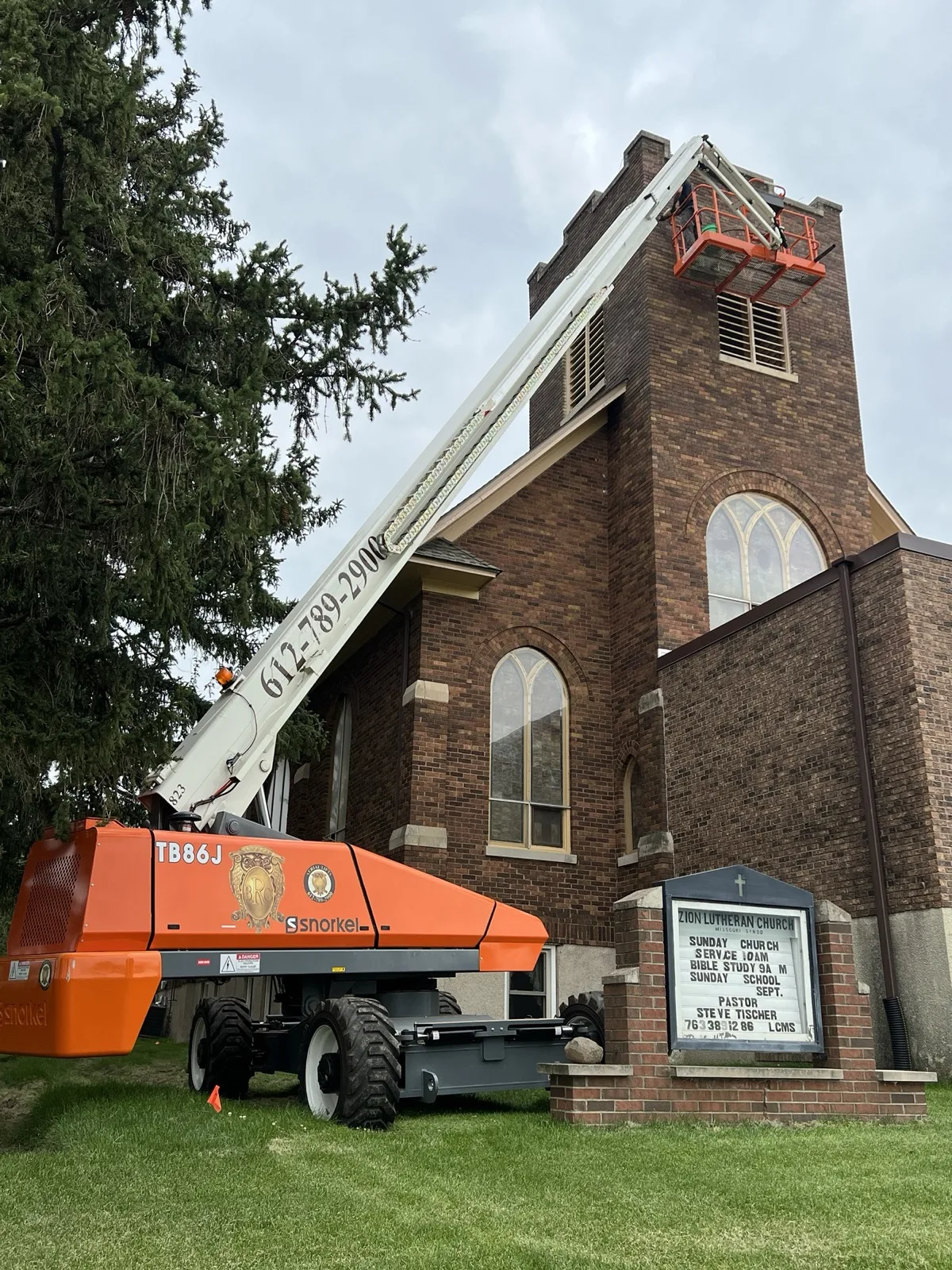
Restoration for factories, apartment buildings, churches, schools and storefronts: wall rebuilds, stone and brick repair, parapets and lintels, run by a crew that works occupied properties.
Learn More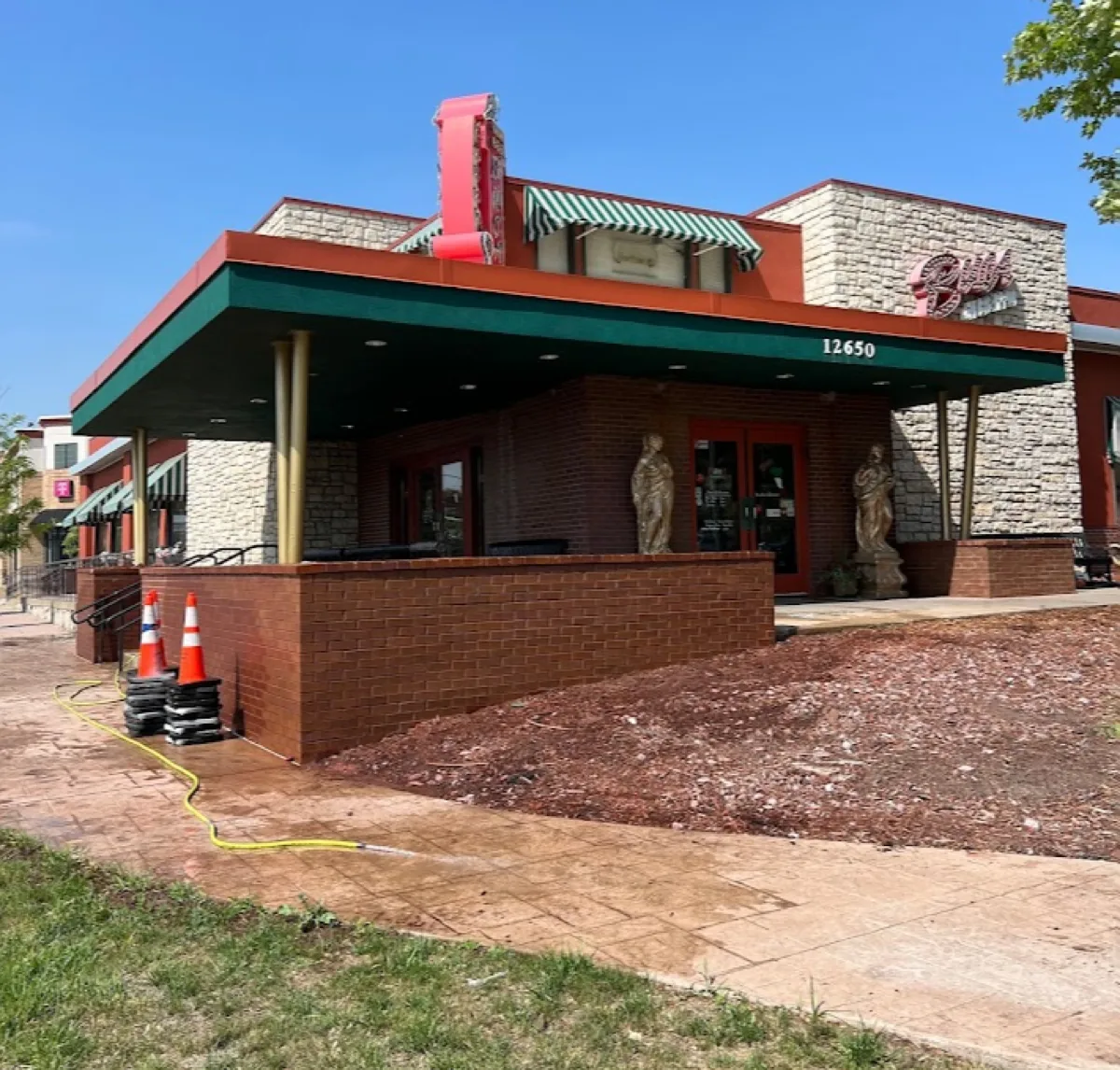
Block and stone retaining walls engineered for Minnesota frost, with proper base, drainage and reinforcement, plus rebuilds of walls that have started to lean.
Learn More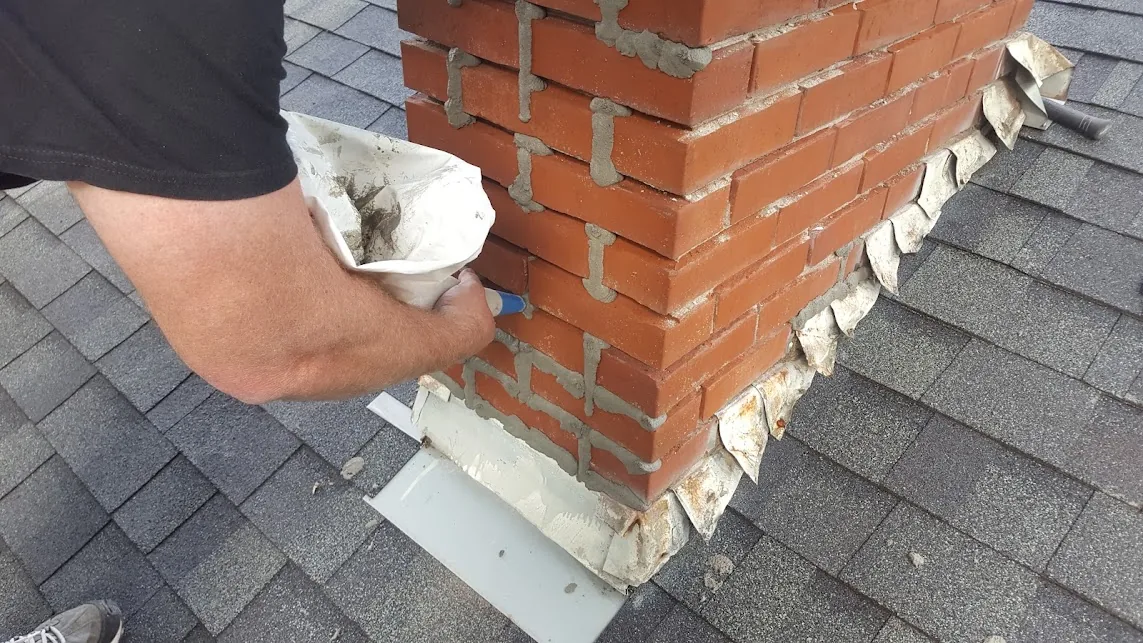
Chimney tuckpointing cost in Minnesota for 2026: per square foot, per row and per chimney, plus what height, roof pitch, mortar matching and new brick add.
Read more →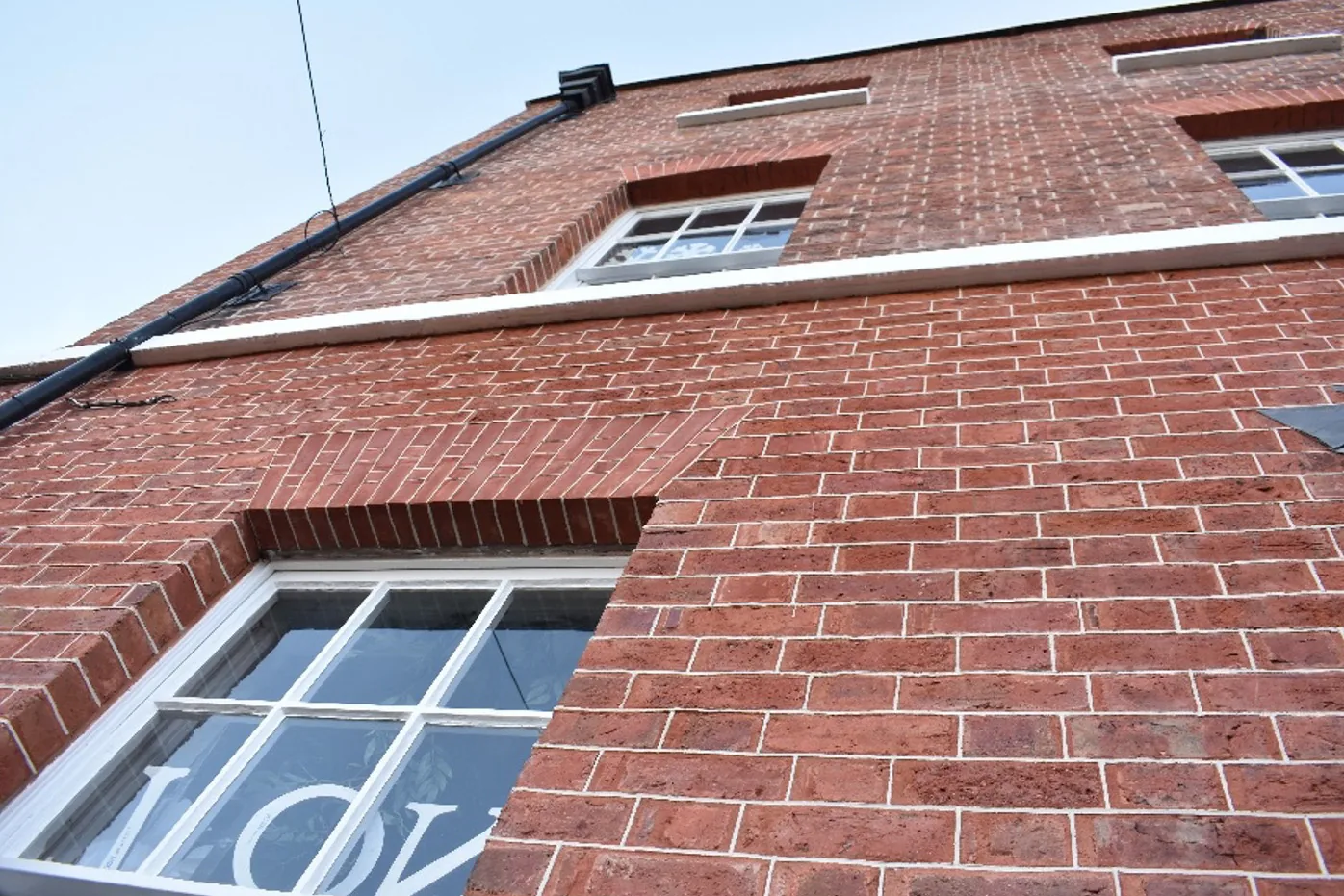
What is tuckpointing, and how is it different from repointing? Both meanings explained for Minnesota walls, plus what a written scope should say.
Read more →What chimney repair costs in Minnesota: caps, crowns, flashing, repointing, liners and partial rebuilds, with the ranges and what moves each number.
Read more →Chimney rebuilds, repairs and liners, tuckpointing, brick repair and full building restoration. Matched brick, matched mortar, proper crowns and full joints, because that is why masonry lasts.
Freeze-thaw is the enemy of every wall in this state. Crowns that shed, joints struck to drain, air-entrained concrete, drainage behind every wall: details chosen for this climate, not a milder one.
Every estimate is written, with the price, timeline and scope spelled out. On larger projects we separate the urgent repairs from the work that can wait, so owners and property managers can plan the budget.
From a single chimney to an occupied apartment building, church or school. Lifts and scaffolds, site protection and daily cleanup on every job, because the standard does not change with the address.
Have a chimney, wall, set of steps or driveway that needs work? Call or send the form and we will look at the site with you and give you a written quote.
Tell us about your project and we’ll get right back to you.